

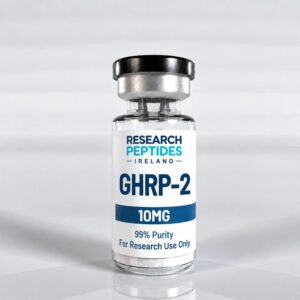
What Are Research Peptides? A Beginner’s Guide
Peptides are an important subject in modern biological and chemical research. Researchers study these short chains of amino acids to understand molecular interactions, biological pathways, receptor activity, protein-related processes and other areas of laboratory science.
But what exactly are research peptides?
In simple terms, a research peptide is a peptide material supplied for scientific or laboratory investigation rather than presented as an approved medicine. The exact characteristics and potential research applications depend on the individual peptide, its molecular structure, analytical profile and the scientific question being investigated.
For researchers searching for research peptides Ireland, understanding the terminology, documentation and analytical information associated with these materials is an important first step.
What Is a Peptide?
Peptides are chains of amino acids connected by peptide bonds. They are related chemically to proteins, although peptides are generally shorter chains.
Their structures can vary significantly. Even relatively small differences in amino-acid sequence or molecular configuration can change the characteristics of a peptide.
Because of this structural diversity, peptides are studied across many areas of laboratory science.
Researchers may investigate peptide-related questions involving molecular recognition, receptor interactions, cellular signalling, protein chemistry and other biological processes.
What Are Research Peptides?
The term research peptides generally refers to peptide materials intended for scientific investigation.
A research peptide should not automatically be interpreted as a medicine. A material can be investigated in a laboratory without being authorised as a medicinal product.
This distinction is particularly important when discussing products online.
Researchers should examine the stated intended use, technical documentation and applicable regulatory requirements associated with any material they investigate.
Why Are Peptides Studied in Research?
Peptides can provide useful molecular systems for studying biological interactions.
Depending on the individual compound, research may involve:
- Peptide chemistry
- Molecular biology
- Receptor research
- Cellular signalling
- Protein interactions
- Structure-function studies
- Analytical chemistry
- Laboratory assay development
The research question should determine which compound and analytical characteristics are relevant.
There is no universal research application that applies to every peptide.
Understanding Research Peptide Documentation
When evaluating a research peptide, documentation can be as important as the product name.
Researchers may look for information such as:
- Compound identity
- Molecular weight
- Sequence or structural information where appropriate
- Batch or lot identification
- Reported purity
- Analytical testing
- Certificate of Analysis information
- Storage information
- Research-use status
A well-organised research product page should make it easier to understand what material is being described.
What Is a Certificate of Analysis?
A Certificate of Analysis, commonly called a COA, is a document associated with analytical testing of a particular batch or lot.
Depending on the material and testing performed, a COA may contain information about identity, purity, batch number and analytical methods.
Researchers should evaluate the actual documentation supplied for a material rather than assuming that all products described as research grade have identical testing or documentation.
For a detailed explanation, see our guide to research peptide COAs.
Understanding Peptide Purity
Purity is another important concept in research peptide documentation.
A reported purity percentage can provide useful analytical information, but researchers should understand exactly what the stated result represents and which analytical method was used.
For example, chromatographic testing may provide information about the composition of a sample under the conditions of that particular analytical method.
Purity should therefore be considered alongside identity, batch information, analytical methods and the requirements of the research project.
Research Peptides Are Not Automatically Medicines
One of the most important distinctions for beginners is the difference between research materials and medicinal products.
In Ireland, medicines for human use are subject to regulatory requirements and authorisation processes. The HPRA provides information on authorised medicines and the regulation of human medicines in Ireland.
A research peptide supplied for laboratory investigation should therefore not automatically be described as a medicine or therapeutic product.
Researchers should follow applicable institutional, legal and regulatory requirements.
How to Evaluate a Research Peptide
A useful evaluation process can include several questions:
- What is the exact identity of the compound?
- What is the intended research purpose?
- Is analytical information available?
- Is there batch-specific documentation?
- Is a COA available?
- What purity information is provided?
- What are the storage requirements?
- Is the material clearly identified for research use?
These questions can help researchers organise their evaluation before incorporating a material into laboratory work.
Research Peptides Ireland
For researchers looking for research peptides Ireland, a dedicated research-focused catalogue can provide a starting point for exploring available materials and documentation.
The most useful approach is to consider the scientific purpose first and then evaluate the characteristics and documentation of the individual compound.
You can explore additional research peptide information through Research Peptides Ireland.
Conclusion
Research peptides are peptide-based materials investigated in laboratory and scientific settings. Their relevance depends on their molecular characteristics and the research question being studied.
Researchers should pay attention to identity, analytical information, purity, batch documentation, storage requirements and intended use.
Most importantly, a research peptide should not automatically be treated as an approved medicine.
By understanding these fundamentals, beginners can approach peptide research with a more structured and documentation-focused perspective.
Research-use-only materials should be handled according to applicable laboratory, institutional and regulatory requirements.